
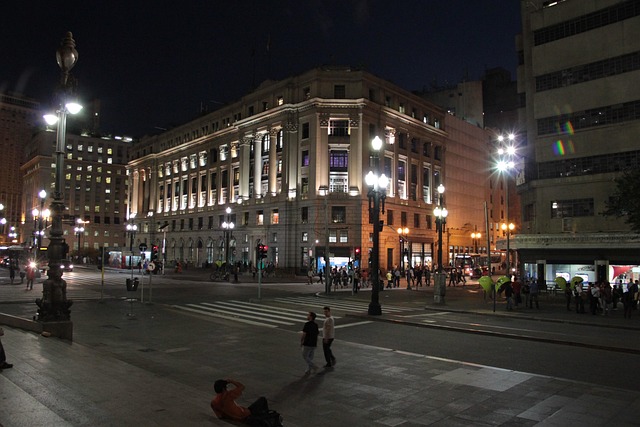
The City of São Paulo
São Paulo was founded on January 25, 1554, by Jesuit priests, São Paulo began as a small mission school, Colégio de São Paulo de Piratininga, on a plateau intended for converting indigenous peoples. It remained a small, isolated commercial town for centuries, acting as a base for inland bandeirante expeditions. The city transformed into a major metropolis after the mid-19th century due to a massive coffee boom, leading to industrialization, massive European and Japanese immigration, and its current status as South America’s largest city.
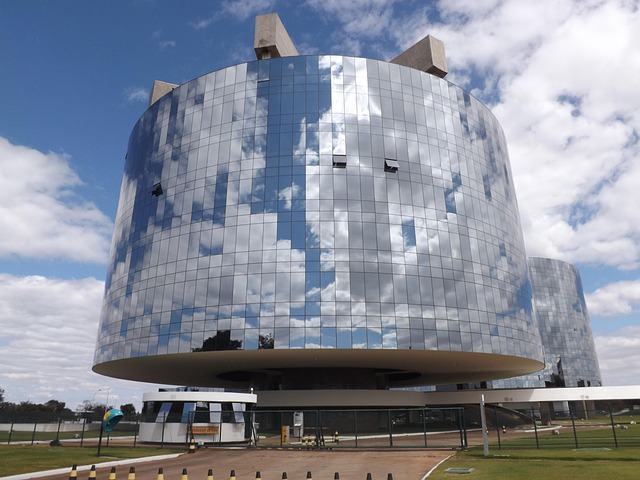
The City of Brasília
Brasília, the capital of Brazil, was founded on April 21, 1960, to move the capital from Rio de Janeiro to the interior, promoting development. Planned in just 4 years (1956–1960) by President Juscelino Kubitschek, the city was designed by architect Oscar Niemeyer and urban planner Lúcio Costa in a modernist "airplane" shape Plano Piloto.
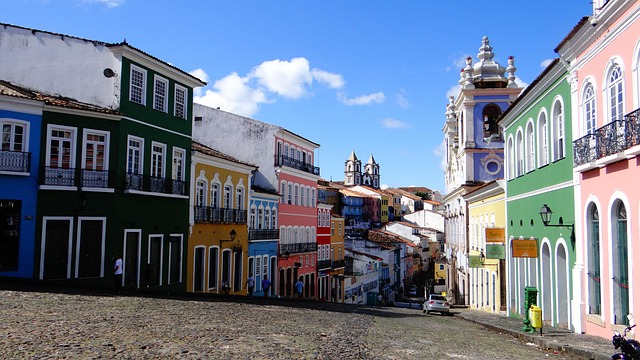
The City of Salvador
Salvador was founded in 1549 by Tomé de Sousa, Salvador da Bahia is one of the oldest colonial cities in the Americas and served as the first capital of Brazil until 1763. Its history is defined by a tumultuous blend of Portuguese, African, and Indigenous cultures, acting as a major hub for the transatlantic slave trade and sugar industry, which profoundly shaped its vibrant Afro-Brazilian culture.
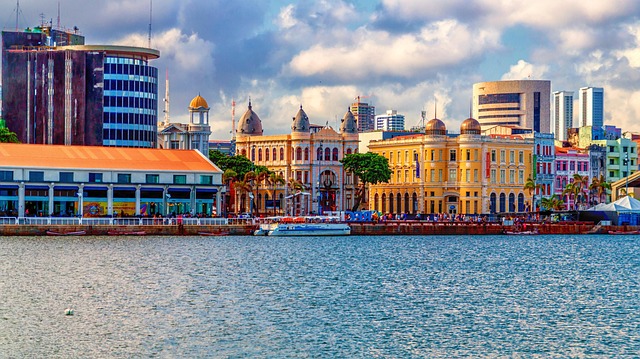
The City of Recife
Recife was founded in 1537 as a Portuguese port for nearby Olinda, Recife blossomed into a major sugarcane hub, briefly becoming the 17th-century Dutch capital of "New Holland" (1630–1654) under Johan Maurits, which brought modern urban planning and religious freedom. Known as the "Venice of Brazil," it became the capital of Pernambuco in 1827 and is known for its rich colonial history, iconic bridges, and the Kahal Zur Israel Synagogue.
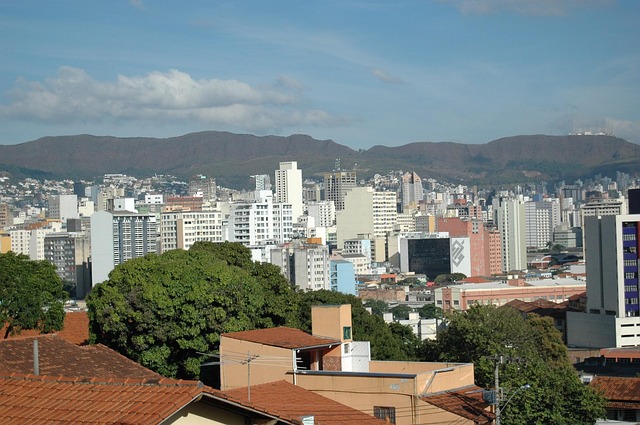
The City of Belo Horizonte
Belo Horizonte was founded on December 12, 1897, as the new capital of Minas Gerais replacing Ouro Preto, is Brazil's first planned city. Designed by engineer Aarão Reis with a radial street system inspired by Paris and Washington, D.C., it was originally named Cidade de Minas before adopting its current name in 1901.
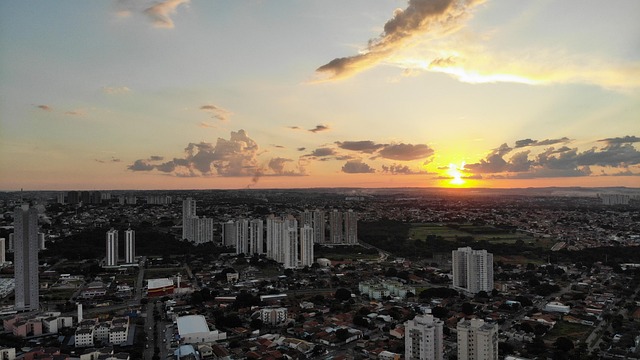
The City of Goiânia
Goiânia was founded on October 24, 1933, by Governor Pedro Ludovico, was planned as Brazil’s new state capital to modernize the region and replace the former, unhealthful capital. Known for its Art Deco architecture, green spaces, and high quality of life, it was formally inaugurated in 1942. It also experienced a major radioactive incident in 1987.